What a 10-person team really pays for its SaaS stack in 2026
We priced a typical startup stack, from project management to email, at list prices. The headline number is lower than most founders expect. The per-seat creep is not.
Every founder has a rough number in their head for what the software bill should be. Almost nobody has written it down. So we did, for the most common shape of early team: ten people, one product, a marketing function that is mostly one person and a newsletter.
The stack is deliberately boring. A workspace for documents, a tool for tasks, an automation layer, and an email platform. No CRM yet, no data warehouse, nothing a ten-person team should be buying before it has revenue to justify it.
The stack and what it costs at list price
| Tool | Plan | Billing unit | Monthly at 10 people |
|---|---|---|---|
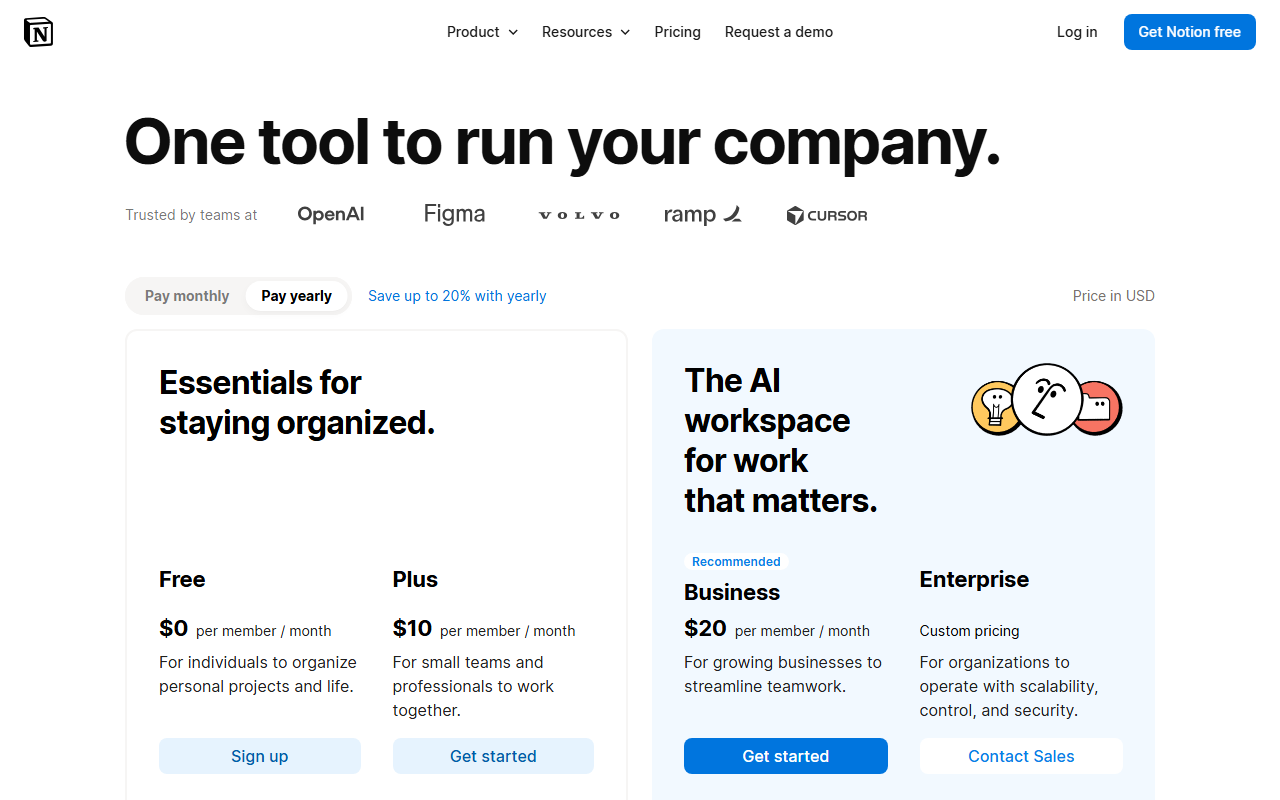
| Notion | Plus | per user | $100 |
| ClickUp | Unlimited | per user | $70 |
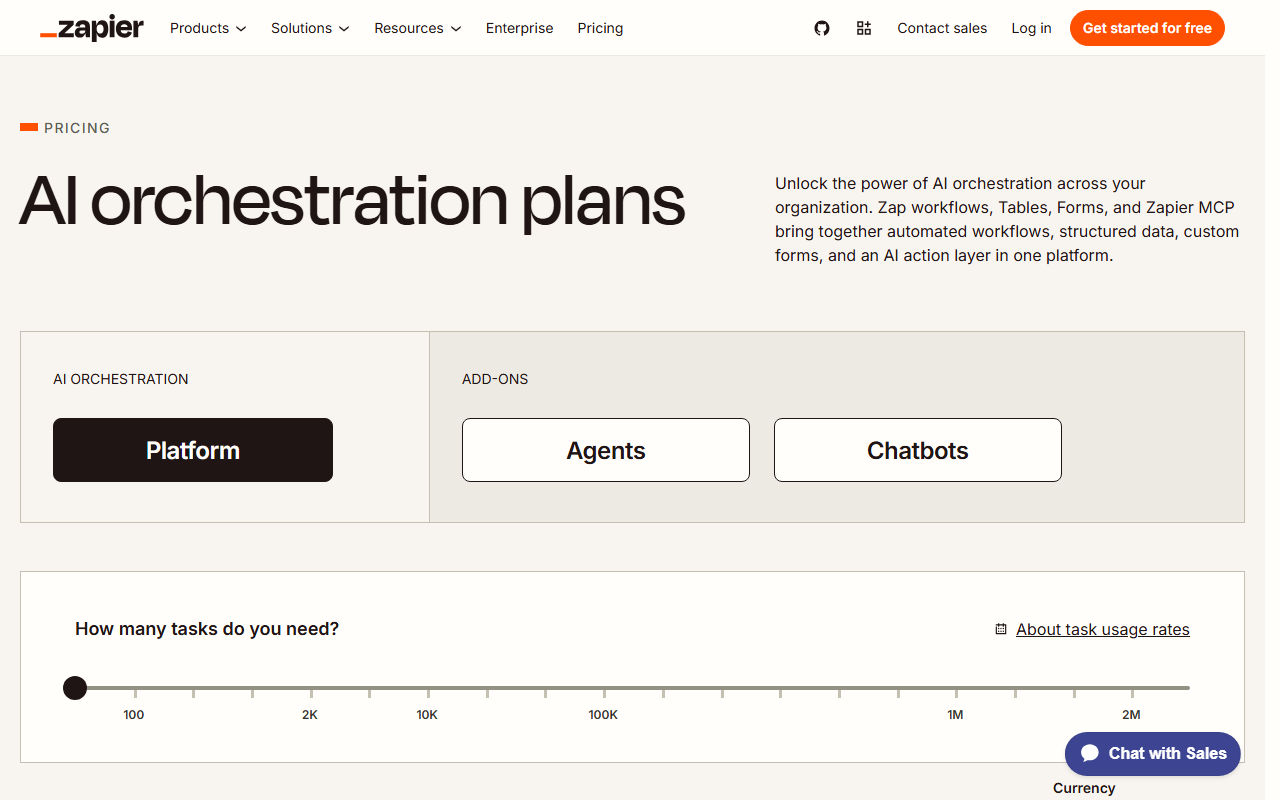
| Zapier | Professional | per account | from $19.99 |
| Kit (ConvertKit) | Creator | per account, by list size | from about $33 |
Prices are the vendors’ published annual-billing rates at the time of writing; confirm on each pricing page before you buy. Monthly billing typically adds 20 to 50 percent, depending on the vendor.
The total sits around $220 a month. That surprises people in both directions. Founders who have only ever seen enterprise quotes expect more. Founders who started on free tiers and have not looked since expect less, because the free tiers tend to run out as a team grows.
Where the money actually goes
Two of the four line items are per seat, and those two are 80 percent of the bill.
Notion and ClickUp together account for the bulk of the spend, and both scale linearly with headcount. Zapier and Kit scale with usage instead: tasks run and subscribers held. For a ten-person team usage-based pricing is almost always cheaper than per-seat, because most of those ten people never touch the automation or email tool directly.
The practical consequence is that hiring is the main driver of the software bill, not feature creep. Add five people and the per-seat tools add roughly $85 a month before anyone has asked for a new tool.
The duplicate-seat problem
The most common waste we see in small-team stacks is not an expensive tool. It is paying for the same person in two tools that overlap. Notion and ClickUp are the textbook case: both do docs, both do tasks, and most teams end up with everyone licensed in both while using each for half of what it can do.
There are two honest ways out:
- Pick one. Teams that live in documents and only need lightweight task tracking can run on Notion alone. Teams that live in tasks, sprints and time tracking can run on ClickUp alone and tolerate its weaker docs. Either move cuts the per-seat line by roughly 40 percent.
- Split the seats. Give the whole company the document tool and only the people who actually manage work the task tool. It is rare that all ten people need a ClickUp seat.
We walk through the trade-offs in detail in our ClickUp vs Notion comparison.
What changes at 25 people
The same stack at 25 people costs roughly 2.2 times as much, and that is before anything is added. Around this size the pattern shifts:
- Per-seat tools start to justify their Business tiers, which cost more per user but add admin controls, SSO and audit logs that someone will eventually require.
- Usage-based tools hit their plan ceilings. Zapier task limits and Kit subscriber bands are where the jumps happen, and they are lumpy: a single busy month can push you over.
- A CRM appears, and it is nearly always per seat.
If you are budgeting for growth, model the per-seat tools against your hiring plan rather than against today’s headcount. The sticker prices are not the story; the slope is.
What we would do
For a ten-person team starting today: one workspace tool, chosen by whether the team is document-first or task-first; one automation account on the cheapest tier that covers your task volume; and the free tier of the email platform until the list is big enough that it is paying for itself. That lands well under $150 a month and leaves room for the CRM you will need at 20.
Compare the tools in this story





The Stack Brief
Get the weekly brief
One email a week: SaaS pricing changes, launches worth knowing about, and one comparison you can act on.
Sources
Related stories
Per-execution pricing is quietly winning the automation market
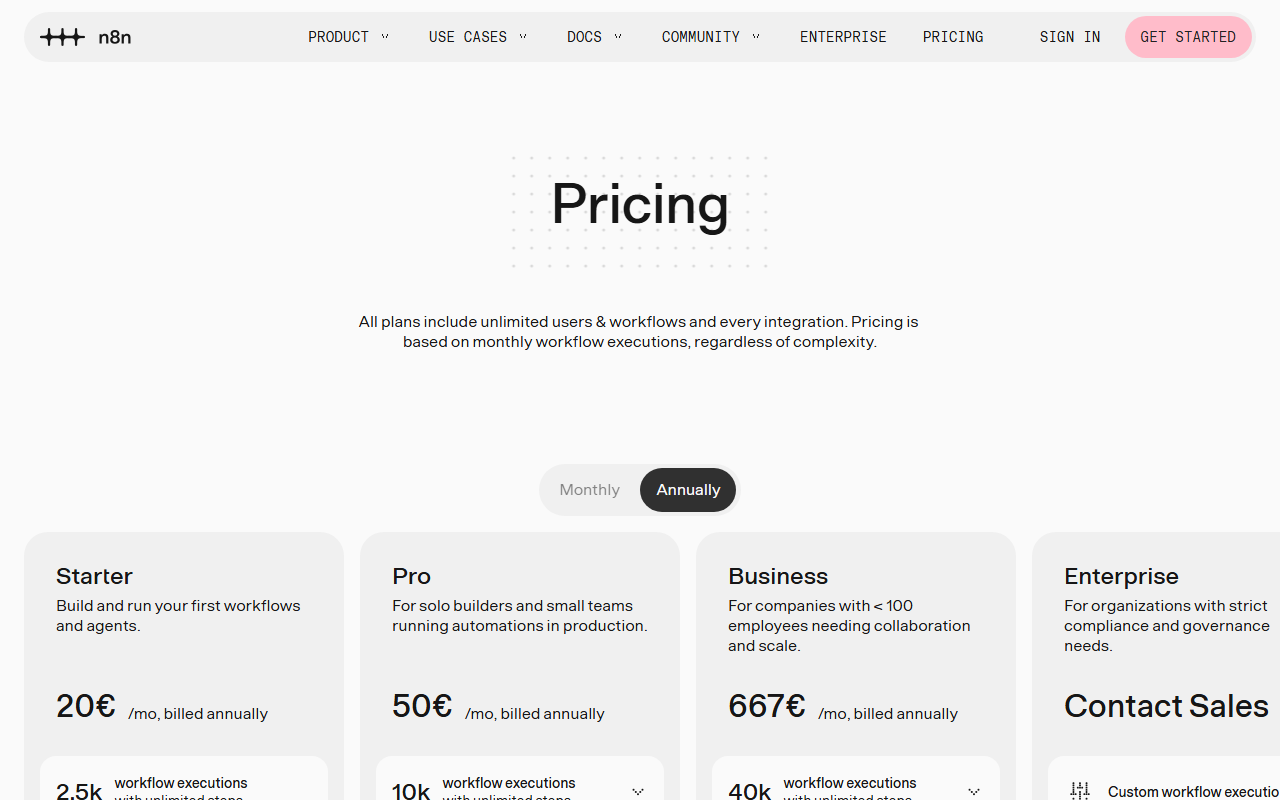
Zapier bills by task, Make bills by credit, n8n bills by workflow run. The unit you are charged on now matters more than the price on the page.
Pham Cong2 min
Why usage-based pricing is gaining ground on per-seat plans in automation tools
Automation vendors bill by tasks, credits, or executions, so cost tracks workflow volume rather than headcount. That shift favors some teams and penalizes others.
Pham Cong3 min
The Stack Brief: newsletter platforms tilt toward creators, and the automation price war heats up
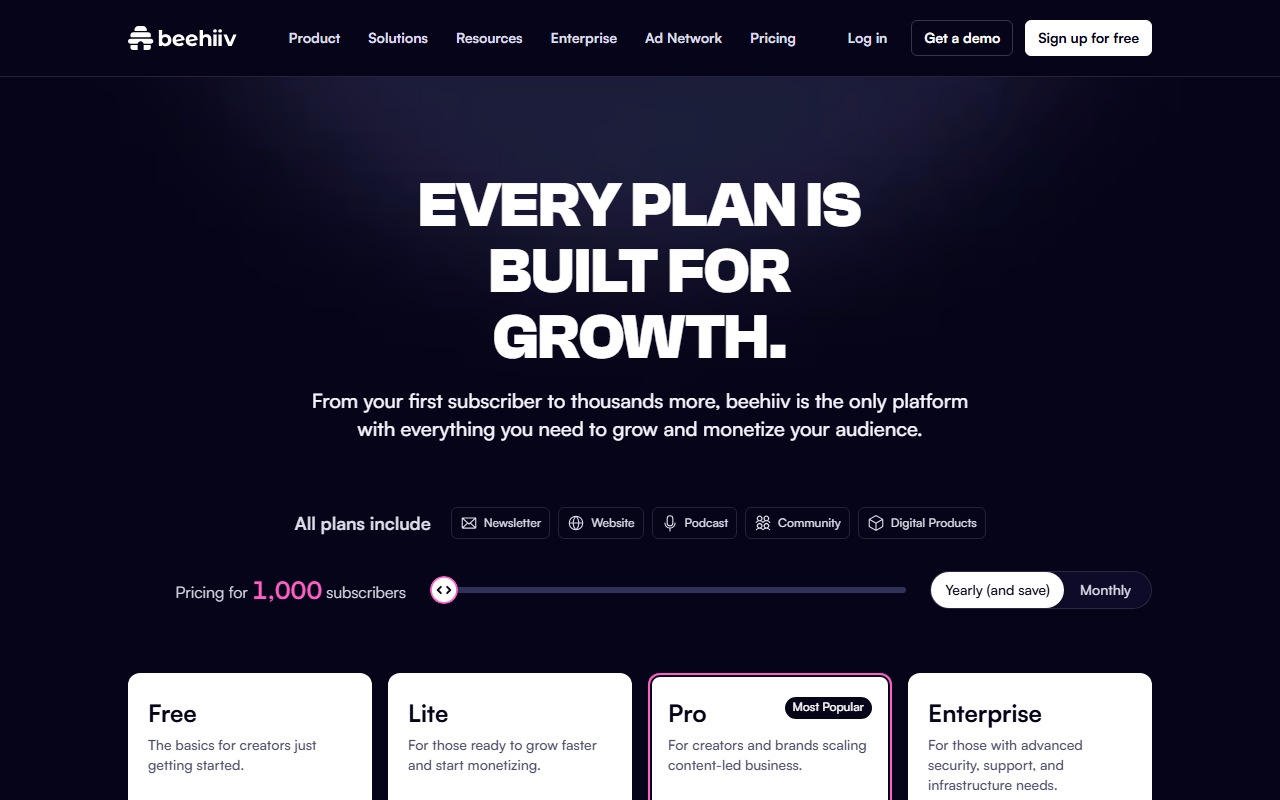
This week: how Kit and Beehiiv are pricing the newsletter market differently, why per-execution billing is the automation story to watch, and one comparison worth your time.
Pham Cong2 min
Comments
Join the discussion with your GitHub account. Be civil, stay on topic.