Per-execution pricing is quietly winning the automation market
Zapier bills by task, Make bills by credit, n8n bills by workflow run. The unit you are charged on now matters more than the price on the page.
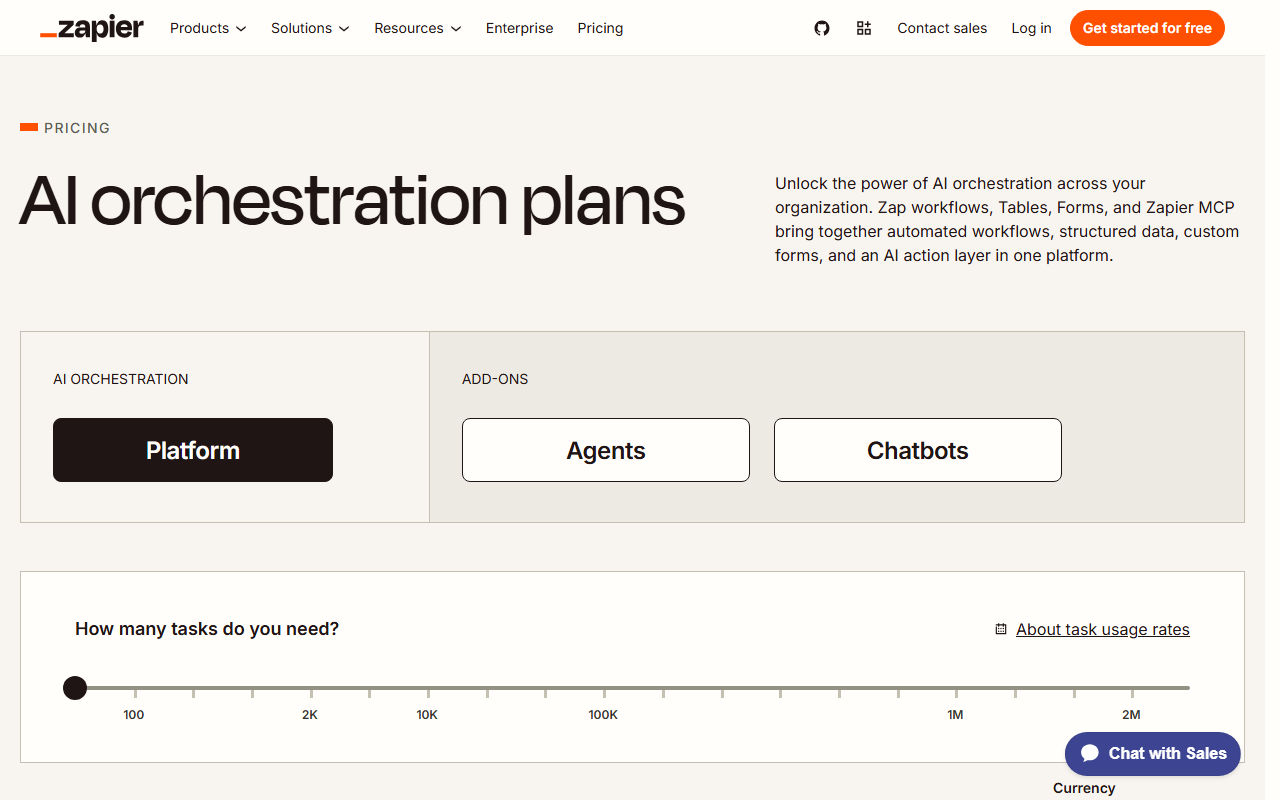
For a decade the automation market competed on integrations: who had the most apps, who connected to the obscure tool your team happened to use. That race is largely over. Everyone has thousands of connectors, and the generic HTTP node covers the rest. The competition has moved to something less visible and more consequential: what, exactly, you are being charged for.
Three products, three meters
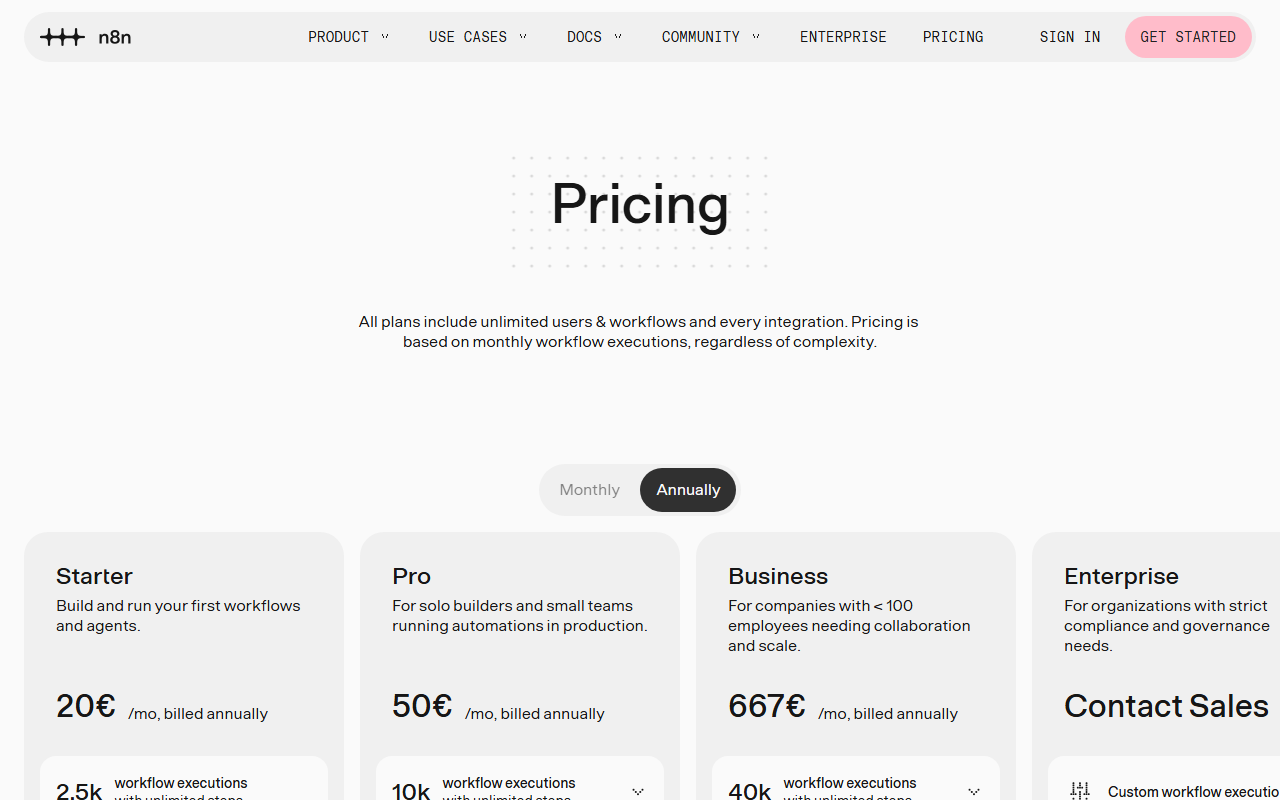
Zapier’s unit is the task: every action step that runs counts as one, so a Zap with a trigger and three actions consumes three tasks per run. Make’s unit is the credit (called an operation until August 2026), which is similar but counts every module run including the trigger; routers and error handlers are free. n8n’s unit is the execution: one workflow run counts as one, however many nodes it touches.
Put the same workflow through all three and the meters disagree wildly. A ten-step workflow run 1,000 times a month is roughly 9,000 Zapier tasks, about 10,000 Make credits, and 1,000 n8n executions.
The price on the pricing page tells you almost nothing until you know what one unit of it buys.
Why the meter is drifting toward executions
Workflows are getting longer. The simple two-step Zap, new form response to new spreadsheet row, is a solved problem and nobody pays much for it. What teams are building now is multi-branch, multi-step logic: enrich a lead, score it, route it, write to the CRM, notify a channel, and increasingly call a language model somewhere in the middle.
Per-task and per-credit pricing penalise exactly that growth. Every added step is a line on the bill. Per-execution pricing is indifferent to it, which is why n8n’s model reads as generous the moment a workflow passes five or six nodes, and why Make and Zapier have both been adding bundles and caps that soften their own meters.
Who this favours
Per-execution pricing favours technical teams building complex, high-volume automations, and those are the teams most likely to tolerate self-hosting. n8n’s free Community Edition makes the meter zero for anyone willing to run a server.
Per-task pricing still favours the long tail: marketers and operators running dozens of small, simple automations, where the ease of Zapier’s editor and the depth of its integrations is worth more than the unit cost.
Make sits in between, and its pricing shows it: the cheapest entry tier of the three, with a meter that becomes expensive faster than it looks.
The practical takeaway
Before choosing an automation platform, count the steps in your three most important workflows and multiply by the runs you expect per month. Then price that number, not the plan name, on each vendor’s page. We did this for the two most common alternatives to Zapier in our Make vs n8n comparison and the Zapier vs Make comparison; the cheaper tool flips depending on the shape of the workflow.
Compare the tools in this story



The Stack Brief
Get the weekly brief
One email a week: SaaS pricing changes, launches worth knowing about, and one comparison you can act on.
Sources
Related stories
Why usage-based pricing is gaining ground on per-seat plans in automation tools
Automation vendors bill by tasks, credits, or executions, so cost tracks workflow volume rather than headcount. That shift favors some teams and penalizes others.
Pham Cong3 min
n8n keeps a free self-hosted edition while Cloud starts at €20 a month
n8n's Community Edition stays free to self-host with no workflow or execution limits, while its hosted Cloud plan starts at €20 a month.
Pham Cong2 min
The Stack Brief: newsletter platforms tilt toward creators, and the automation price war heats up
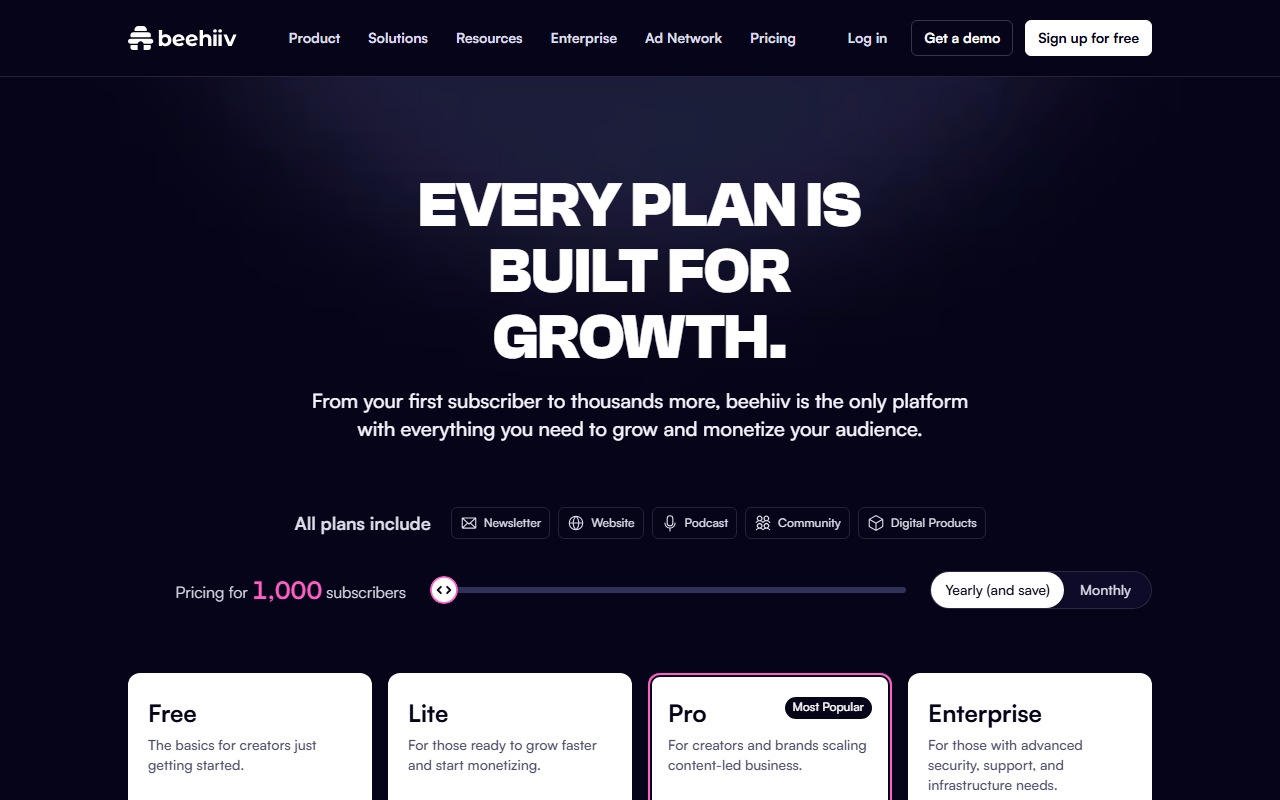
This week: how Kit and Beehiiv are pricing the newsletter market differently, why per-execution billing is the automation story to watch, and one comparison worth your time.
Pham Cong2 min
Comments
Join the discussion with your GitHub account. Be civil, stay on topic.