Beehiiv review: a newsletter platform built around ads and referrals
Beehiiv suits newsletter writers who plan to monetize with ads, referrals, or paid subscriptions, but its free tier is smaller than Kit's.
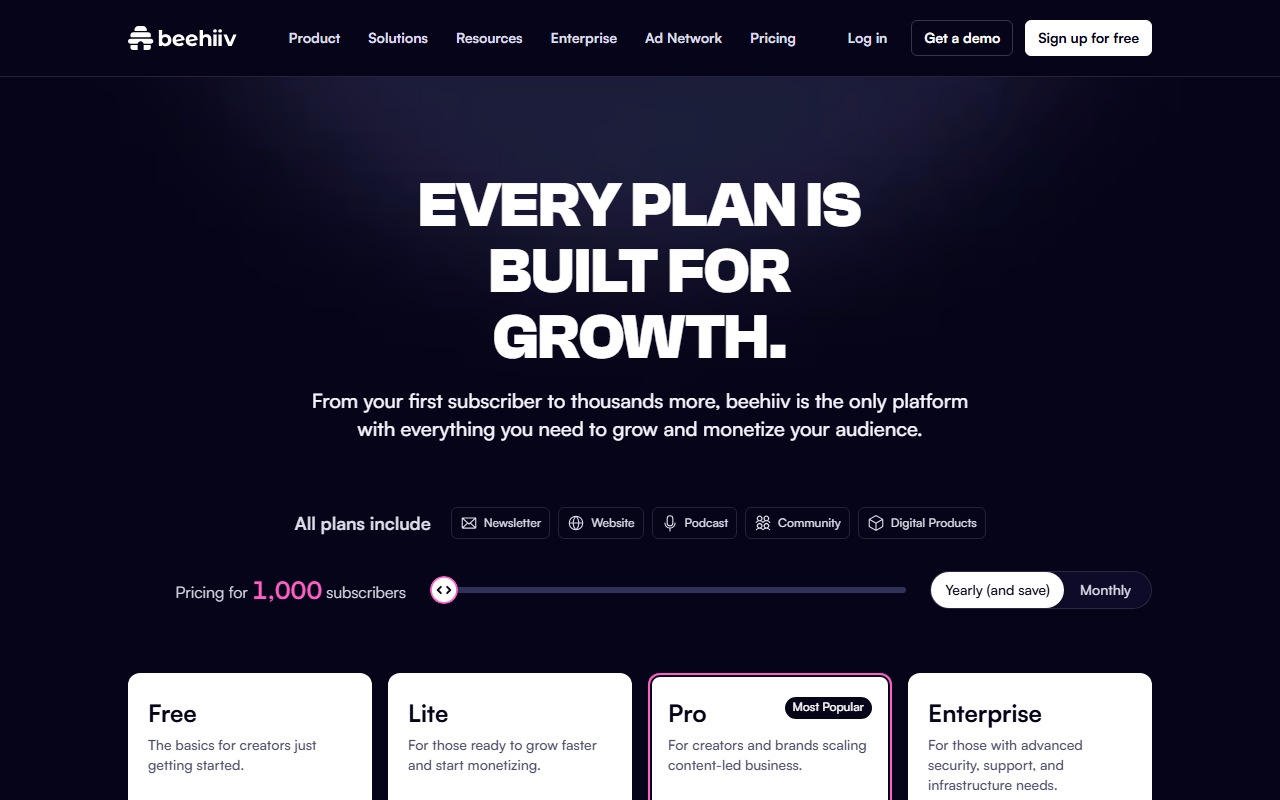
Beehiiv is a newsletter platform that puts monetization at the center of its pitch. Its paid plans include an ad network and a referral program called Boosts, and the platform supports paid subscriptions, so a newsletter can earn money in several ways from one place. This review is based on public pricing and documentation, not hands-on testing. It is aimed at writers and publishers who already have or plan to build an email audience and want tools for turning that audience into revenue.
Pricing
Beehiiv offers a free plan for up to 2,500 subscribers. Paid plans start with Lite at $49 per month, and Pro starts at $95 per month. The ad network and Boosts referral program are part of the paid plans, so creators who want those tools need to pay from the start.
For comparison, Kit (formerly ConvertKit) offers a free plan for up to 10,000 subscribers and a paid Creator plan that starts at roughly $33 per month on annual billing for a small list. On these listed numbers, Kit allows a larger free audience and has a lower entry paid price. The two products are aimed at somewhat different goals, so a straight price comparison does not settle the choice. Pricing and plan limits can change, so readers should confirm current details on the vendor’s pricing page before deciding.
Strengths
The main strength is the set of monetization tools built into the platform. Beehiiv’s paid plans include an ad network and a referral program, which are features many newsletter tools do not present as core parts of the product. A writer who wants sponsorship income and audience growth through referrals can, on paper, handle both inside one service.
Support for paid subscriptions is another point in its favor. A newsletter can be offered as a paid product, which fits creators who want readers to pay directly for content.
The tier structure is also easy to follow. The free plan, Lite, and Pro give a clear path as the audience grows, even though the pricing details should be checked on the vendor’s site.
Weaknesses
The free plan caps subscribers at 2,500, which is well below the 10,000 limit on Kit’s free plan. A newsletter that grows past that point will need to pay sooner than it would on Kit.
Ads and referrals are limited to paid plans. Creators who start on the free tier cannot use the revenue tools that define the platform’s pitch, so the jump from free to a $49 monthly plan is a real cost decision.
Kit’s public positioning includes a focus on selling products and courses and on deeper automations. The information reviewed here does not describe equivalent course selling or automation depth for Beehiiv, so readers who need those features should compare the two products directly.
Finally, the source material gives no performance data for the ad network or Boosts. Readers should not assume specific earnings from these tools. Results will depend on audience size, niche, and sponsor demand, none of which this review can measure.
Who should use it
Beehiiv fits newsletter writers who already have an audience or expect to build one and want monetization tools in the same product. Creators who plan to use sponsorships, referral growth, or paid subscriptions should find its feature set aligned with those goals. Teams that expect to pay for a paid plan from the start will get the most from it.
Who should skip it
Beehiiv is a weaker fit for creators who need a large free audience, since Kit’s free plan covers more subscribers. It is also a poor match for anyone whose main goal is selling courses or building deeper automation workflows, because the public information for Beehiiv does not emphasize those areas the way Kit’s does. People who want to test the platform without spending money should keep the 2,500-subscriber free limit in mind.
Verdict
Beehiiv is a reasonable choice for newsletter creators who plan to earn money from their audience through ads, referrals, or paid subscriptions, and who are ready to pay for a paid plan to use those tools. Its free plan is smaller than Kit’s, and its monetization features are locked behind paid tiers, so the cost starts earlier. Creators focused on courses, product sales, or deeper automations should compare Kit before committing. Readers should confirm current prices and plan limits on the vendor’s pricing page before signing up.
Compare the tools in this story



The Stack Brief
Get the weekly brief
One email a week: SaaS pricing changes, launches worth knowing about, and one comparison you can act on.
Sources
Related stories
The Stack Brief: newsletter platforms tilt toward creators, and the automation price war heats up
This week: how Kit and Beehiiv are pricing the newsletter market differently, why per-execution billing is the automation story to watch, and one comparison worth your time.
Pham Cong2 min
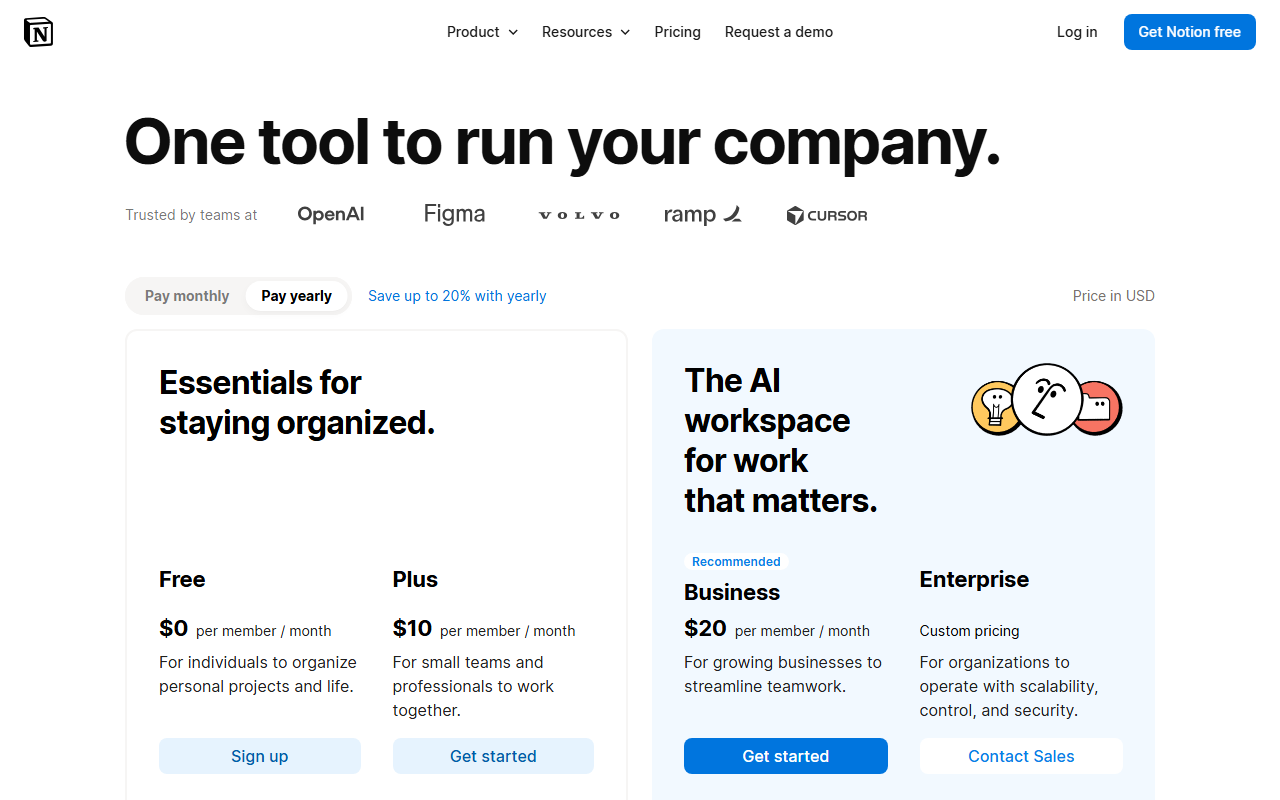
What a 10-person team really pays for its SaaS stack in 2026
We priced a typical startup stack, from project management to email, at list prices. The headline number is lower than most founders expect. The per-seat creep is not.
Pham Cong3 min
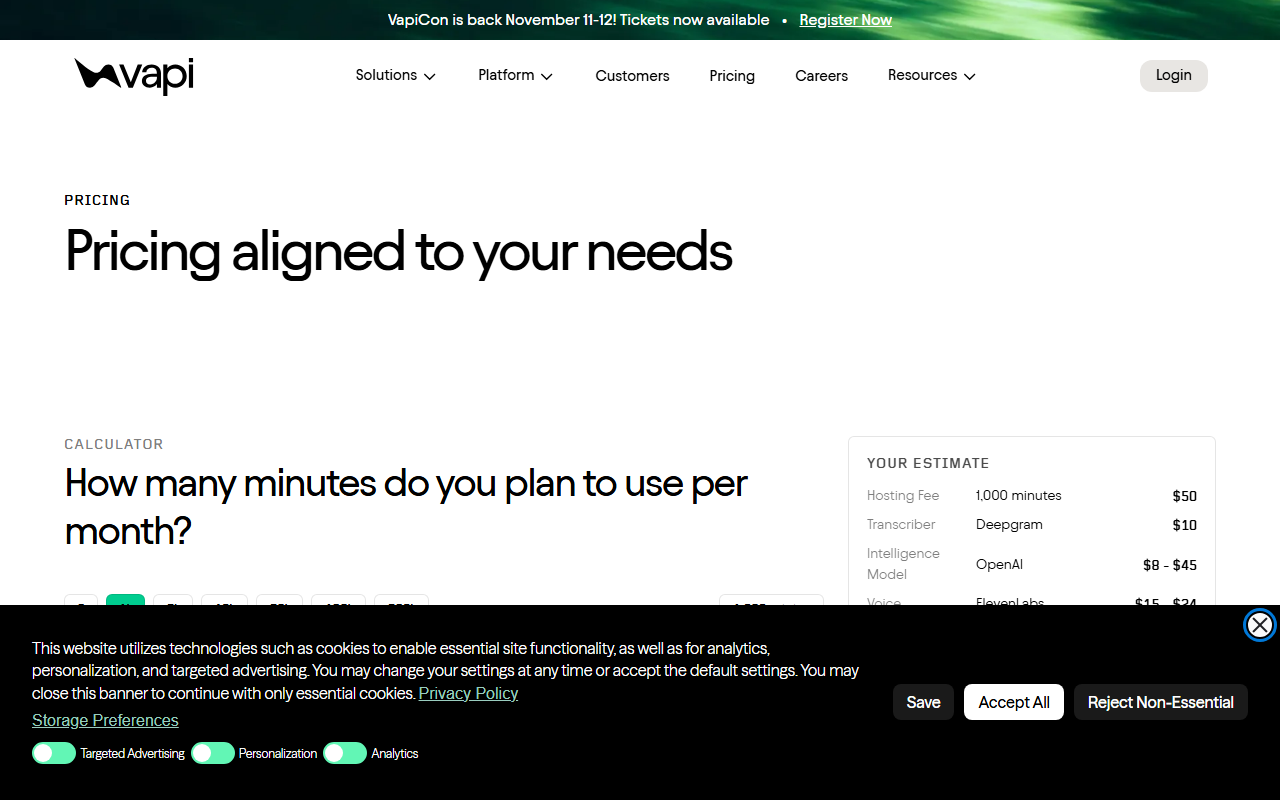
What a minute of an AI phone call costs across Vapi, Retell and ElevenLabs
Vapi and Retell itemize model costs on top of their per-minute fees, while ElevenLabs bundles voice and transcription. The cheaper option depends on call volume.
Pham Cong3 min
Comments
Join the discussion with your GitHub account. Be civil, stay on topic.